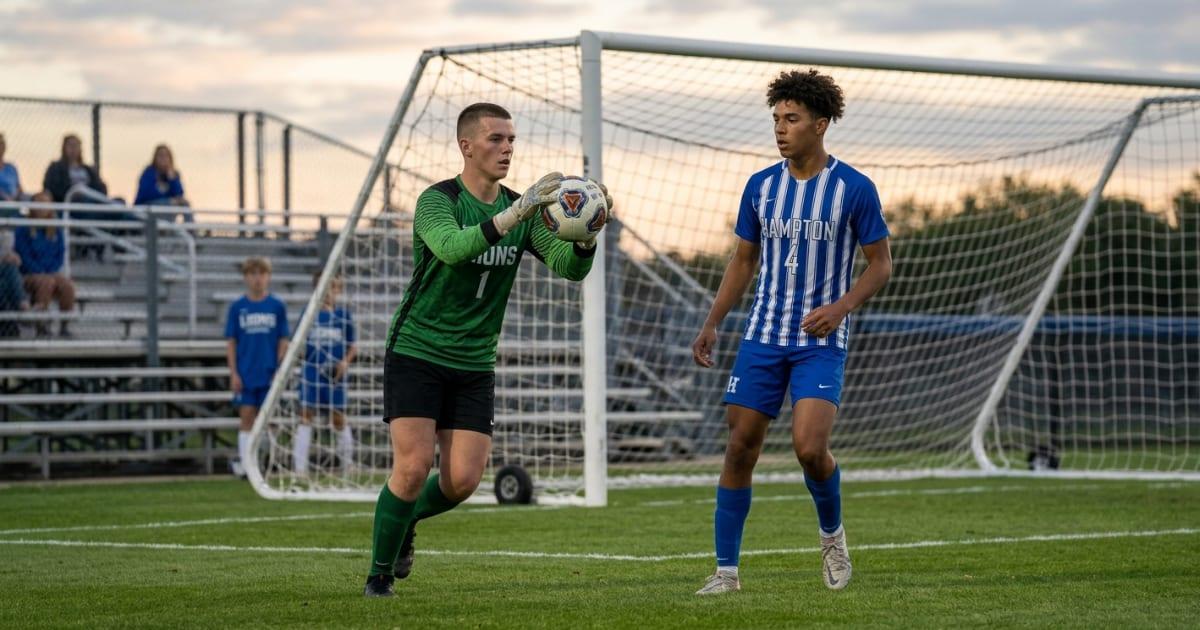
Why Are More Players Doing a Post-Grad Year?
Why are more high school soccer players doing a post-grad year? Roster caps, the transfer portal and new NCAA eligibility rules changed recruiting. Here’s what to know.
 Beau5 min read

Because the clock got tighter, not the dream. Three years ago, most boys graduated high school and went straight to college or stopped playing. Now more and more players are taking one extra year, called a post-grad (PG) year, to get stronger, play more games in front of college coaches, and get recruited. For a lot of these players, it works.
I’ve watched this happen with families I know. A kid is good enough, but he isn’t on a college list by spring of senior year. Five years ago he’d have settled for whatever was left. Today he takes a PG year at a prep school or academy, plays one more season, and commits in the fall. It’s not a fallback anymore. It’s a strategy.
What Is a Post-Grad Year?
A post-grad year is one extra year of school and soccer after you graduate high school. Most PG players go to a boarding or prep school, usually in New England. You take classes, train almost every day, and play a full season against strong competition. Then you head to college a year later.
New England is the hub. NEPSAC, the prep school league up here, has around 150 schools. Many of them take several PGs every year. One Scarsdale player who did a PG year at South Kent said he was one of twelve post-grads on campus. He ended up with an offer from Bowdoin.
It’s not only kids who are still looking, either. Jeremie Kasongo was already committed to Coastal Carolina, and he still did a PG year at Woodstock Academy. Some players use the year just to show up to college more ready.
Why College Soccer Changed So Fast
Here’s the honest truth. There are fewer spots for 18-year-old freshmen than there used to be. Three big things happened.
- Roster caps. Because of the House v. NCAA settlement, Division I men’s soccer teams are now capped at 28 players. Fewer spots means coaches get pickier.
- The transfer portal. Men’s D1 portal entries have more than doubled since 2018. Every year hundreds of experienced college players are looking for a new team. A coach can sign a proven 21-year-old instead of guessing on a high school senior. (More on how the portal affects recruits.)
- Older players. College rosters are full of internationals and fifth-year guys. Maryland coach Sasho Cirovski put it simply: college soccer is now “a grown-man’s game.”
So picture it. Your 17-year-old son is competing for a spot against a 22-year-old transfer who already has three college seasons on his resume. One extra year of growth evens that out a lot.
The New NCAA Rule Makes Timing Matter More
In June 2026, the NCAA changed how eligibility works in Division I and Division II. Players now get five years to play. The clock starts at whichever comes first:
- The first time you enroll full time at any college (including a junior college)
- The start of the school year after you turn 19
For most PG players, this is good news. Say your son turns 18 in March of his senior year. He graduates, does a PG year, and turns 19 that next March. His clock starts the fall he enrolls in college, the same as it would have anyway. The PG year costs him nothing.
Now say your son is older for his grade and turns 19 in July right after graduation. His clock starts that fall, during his PG year. He’d still have four years left, but he’d lose one.
Two quick takeaways:
- Check your son’s birthday before you plan a PG year. It matters now.
- A PG year at a prep school doesn’t start the clock on its own. A year at a junior college does, because it counts as college enrollment.
Division III has its own rules, so if D3 is the target, ask the schools directly.
Who a Post-Grad Year Is Right For
A PG year is a great fit if your son:
- Is a late bloomer who is still growing and getting stronger
- Was hurt during a big recruiting year and missed showcases
- Played at a level where college coaches didn’t see him much
- Has good grades but wants a stronger academic school than he can get into right now
- Is young for his grade and won’t lose eligibility
It’s probably not the right move if:
- He’s already burned out and doesn’t love the game
- The only reason is “maybe a D1 coach will notice” with no plan
- He’s older for his grade and would lose a year of eligibility for no clear payoff
- The cost would put real stress on your family
What It Actually Costs
Let’s be real. Boarding school isn’t cheap. A full year can cost as much as a year of private college. But many prep schools give real financial aid, and some give a lot to athletes they want. Always ask. Never assume the sticker price is what you’ll pay.
There are other options too. Some players stay home and play another year of U19 MLS NEXT or with an academy gap-year program. Others enroll somewhere and transfer later. Each one changes how the eligibility clock works, so map it out before you pick.
How to Make the PG Year Count
A PG year only works if you use it on purpose. Don’t just show up and hope.
- Pick the school for the soccer and the schedule, not the brochure. Ask which college coaches come to their games.
- Email college coaches before the season starts. Tell them where you’ll be playing and when.
- Make a fresh highlight film by October with your new games.
- Hit the prep showcases. Events like the Northeast Soccer Jamboree draw nearly 100 college coaches in one day.
- Keep your grades up. Admissions offices still care about your transcript.
My advice as a dad: treat the PG year like a second senior year, but with a plan this time.
The Bottom Line
More players are doing a post-grad year because college soccer got older, tighter, and more competitive. One extra year can be the difference between getting overlooked and getting an offer. Just check the birthday math, know what it costs, and go in with a plan.
Ninety helps you build that plan. Find the right college programs, see who’s actually recruiting your position, and email coaches yourself, without paying a recruiting agency. Get started at go90.io.